Should You Follow Up With Coaching Leads by SMS or Email?
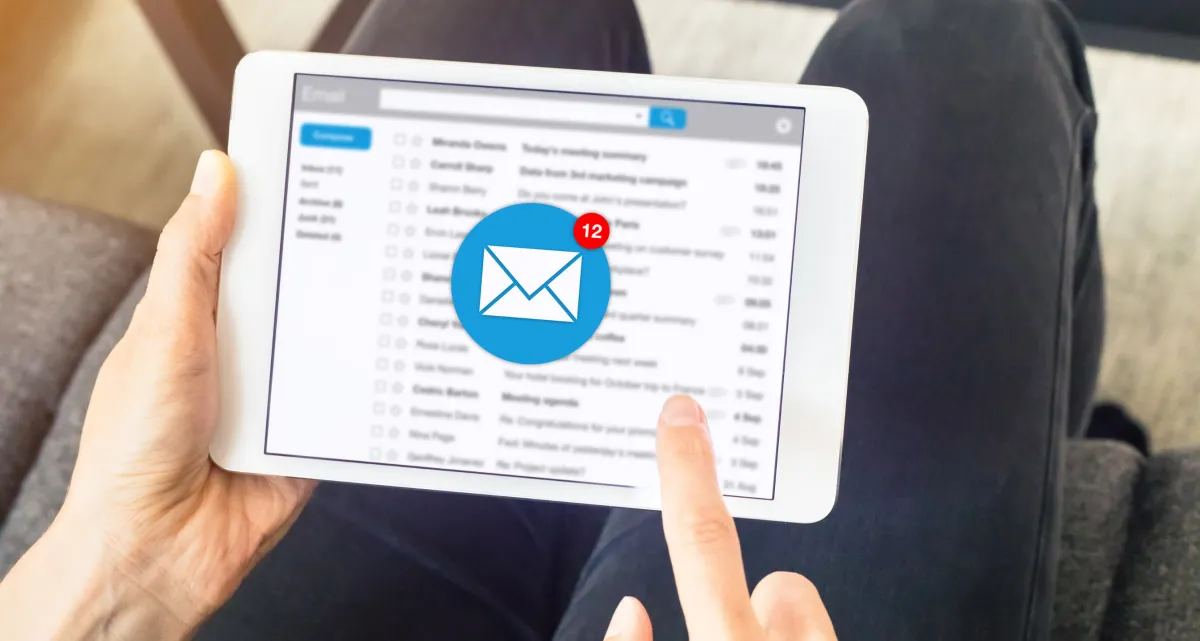
Open rates, response times, and conversion outcomes are different for SMS and email. Using the right channel at the right moment changes how many leads actually respond.
 Shapei Tragico
·
June 4, 2025
·
6 min read
·
Client Flow Framework
Shapei Tragico
·
June 4, 2025
·
6 min read
·
Client Flow Framework
Shapei Tragico
·
June 4, 2025
·
6 min read
·
Client Flow Framework
Shapei Tragico
·
June 4, 2025
·
6 min read
·
Client Flow Framework
Should You Follow Up With Coaching Leads by SMS or Email?
Open rates, response times, and conversion outcomes are different for SMS and email. Using the right channel at the right moment changes how many leads actually respond.
Shapei Tragico
·
June 4, 2025
·
6 min read
·
Client Flow Framework
Why channel matters more than message
You can write the most compelling follow-up email in the world. If nobody opens it, it has zero conversion power. The best message, delivered through the wrong channel at the wrong time, underperforms a decent message that actually gets read.
This is why most coaches who rely solely on email for lead follow-up are working harder than necessary for lower results. Email is a good channel. It is not always the right first channel, especially for time-sensitive follow-up where speed of contact determines whether the conversation happens at all.
When to use SMS
SMS has dramatically higher open rates than email, typically in the ninety-five to ninety-eight percent range, and most messages are opened within three minutes of delivery. For any follow-up where timing matters, a new lead, an appointment reminder, a reactivation message, SMS gets in front of the person while they are still in the relevant mindset.
The tradeoff is that SMS is personal. It arrives in the same inbox as messages from friends and family. That intimacy is a strength when the message is warm and relevant, and a problem when it feels intrusive or generic. SMS used well feels like a thoughtful message from someone who knows your situation. SMS used badly feels like spam in a space that should be private.
"I started using SMS for my first follow-up after a freebie download. The response rate was so much higher than email that I had to completely rethink my follow-up strategy."
When to use email
Email is better suited for longer content, nurture sequences that build knowledge and trust over time, and lower-urgency touchpoints where the lead does not need to respond immediately. A detailed resource, a longer personal story, an educational sequence that takes someone through a multi-step framework: these belong in email where the format allows for length and where the reader can come back to it when they have time.
Email also works well for leads who have been in your ecosystem for a while and have lower urgency. The initial high-intent window has passed. You are playing a longer game now, and email's slower cadence is appropriate for that phase.
Building a combined approach
The most effective follow-up strategy for health coaches uses both channels in sequence. SMS for the first touchpoint, while interest is highest and a quick reply is natural. Email for the more substantive content in the nurture sequence. SMS again for appointment reminders and time-sensitive re-engagement.
This is not complicated to set up. The main requirement is collecting phone numbers at the point of opt-in, which most coaches do not do currently. If your lead capture forms only ask for email, you are removing the option to use your highest-converting channel from the start. Add a phone number field and make it optional if you are concerned about opt-in rates. Many people will provide it.
FREQUENTLY ASKED QUESTIONS
What this article always makes coaches wonder
Should health and wellness coaches use SMS or email for follow-up?
Both, in combination. SMS is significantly more effective for the first follow-up and for time-sensitive messages like appointment reminders, because it has near-universal open rates and reaches people within minutes. Email is better for longer content and lower-urgency nurture sequences. Using only email leaves a large portion of your leads unreached. Using only SMS is intrusive and lacks the depth email allows for relationship building.
What is the open rate difference between SMS and email?
SMS open rates run between ninety-five and ninety-eight percent, with most messages read within three minutes. Email open rates for health coaching businesses typically range between twenty and forty percent, depending on list quality and subject lines. This difference does not mean email is ineffective, but it does mean that for the first follow-up after a lead action, SMS will reach a much higher percentage of your leads, which is why it should be the primary channel for high-intent moments.
Is it weird to text someone who downloaded my lead magnet?
Not when the message is warm, relevant, and tied to what they just did. A text that arrives within minutes of a download saying 'Hey, just sent your guide, let me know if you have questions about it' does not feel intrusive. It feels attentive. People consent to being texted when they provide their number at opt-in. The key is making sure the first message adds value rather than immediately trying to sell something.
What should my first text message to a new lead say?
Something short, warm, and tied directly to what they just did. "Hey [Name], your [resource name] just hit your inbox. Quick question while I have you: what is the main thing you are hoping it helps you with?" works because it confirms delivery, opens a conversation, and signals that you are a real person who is interested in their situation. It does not pitch anything. It just starts a conversation.
How many texts per week is too many?
More than two to three in the first week is pushing into annoying territory unless the conversation is actively two-way. For leads in early stages of your sequence, one SMS every two to three days is about right. For leads in longer nurture, once a week is plenty. The goal is to stay present without training people to ignore you. When in doubt, send less frequently and make each message count more.
How do I combine SMS and email into one follow-up strategy?
Use SMS for the initial touchpoint and appointment reminders, and email for the deeper content and longer nurture messages. The sequence might look like: SMS immediately after opt-in, email with the full resource and introduction the same day, SMS follow-up two days later to check if they had a chance to look at the guide, then email with a related insight two days after that. Alternate the channels based on what each one does best rather than duplicating the same message across both.
Want to see what a combined SMS and email strategy looks like in practice?
If you want to build a multi-channel follow-up approach for your specific lead sources, a 30-minute call is a good place to map it out.
Keep Reading

Helping health and wellness coaches turn warm attention into paying clients through automated client acquisition systems powered by the Client Flow Framework.
© 2026 Shapei Tragico. All rights reserved.
Client Flow Framework