How to Track Your Coaching Leads So Nothing Falls Through the Cracks
Most coaching businesses lose clients they never knew they had. Not because leads were not interested, but because there was no system keeping track of them.
 Shapei Tragico
·
June 4, 2025
·
6 min read
·
Client Flow Framework
Shapei Tragico
·
June 4, 2025
·
6 min read
·
Client Flow Framework
Shapei Tragico
·
June 4, 2025
·
6 min read
·
Client Flow Framework
Shapei Tragico
·
June 4, 2025
·
6 min read
·
Client Flow Framework
How to Track Your Coaching Leads So Nothing Falls Through the Cracks
Most coaching businesses lose clients they never knew they had. Not because leads were not interested, but because there was no system keeping track of them.
Shapei Tragico
·
June 4, 2025
·
6 min read
·
Client Flow Framework
Why coaches lose track of leads
It is not disorganisation. It is the absence of a single place where all leads live. When conversations happen across DMs, email, story replies, and referral mentions, and when your tracking system is a combination of memory, notes-app reminders, and mental flags, leads fall through the cracks not because you forgot about them but because the system for remembering does not exist.
The problem compounds as volume increases. Five leads in your DMs is manageable. Fifteen across Instagram, email, story replies, and referrals is chaotic without infrastructure. Most coaches hit the ceiling of manual management well before they feel ready to invest in a system.
What a pipeline actually is
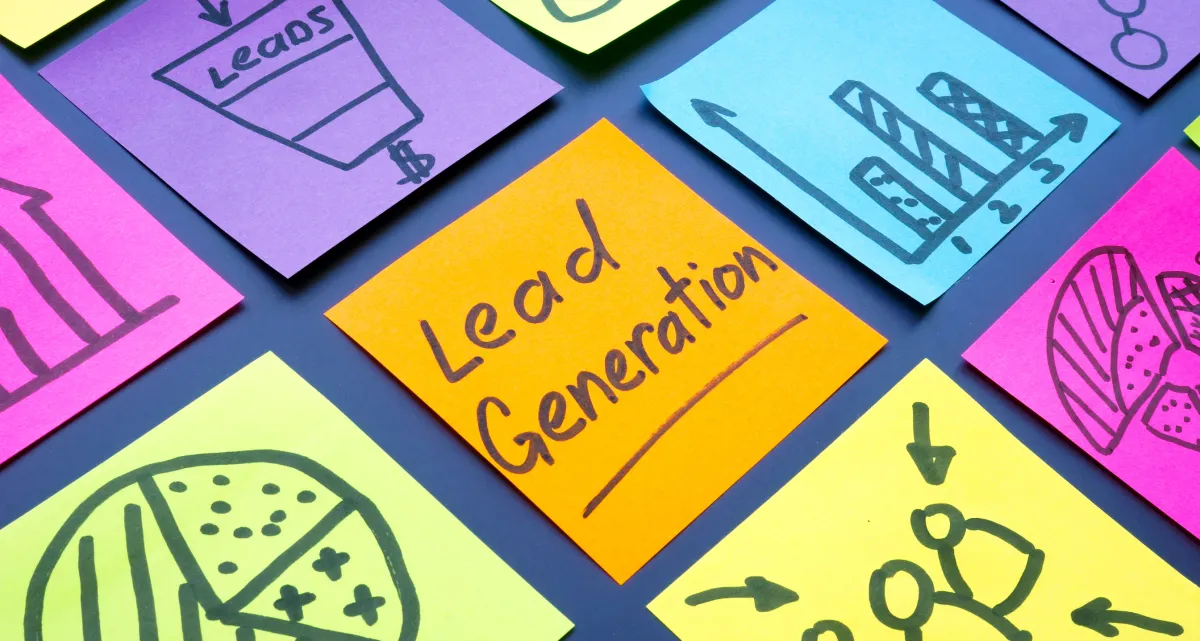
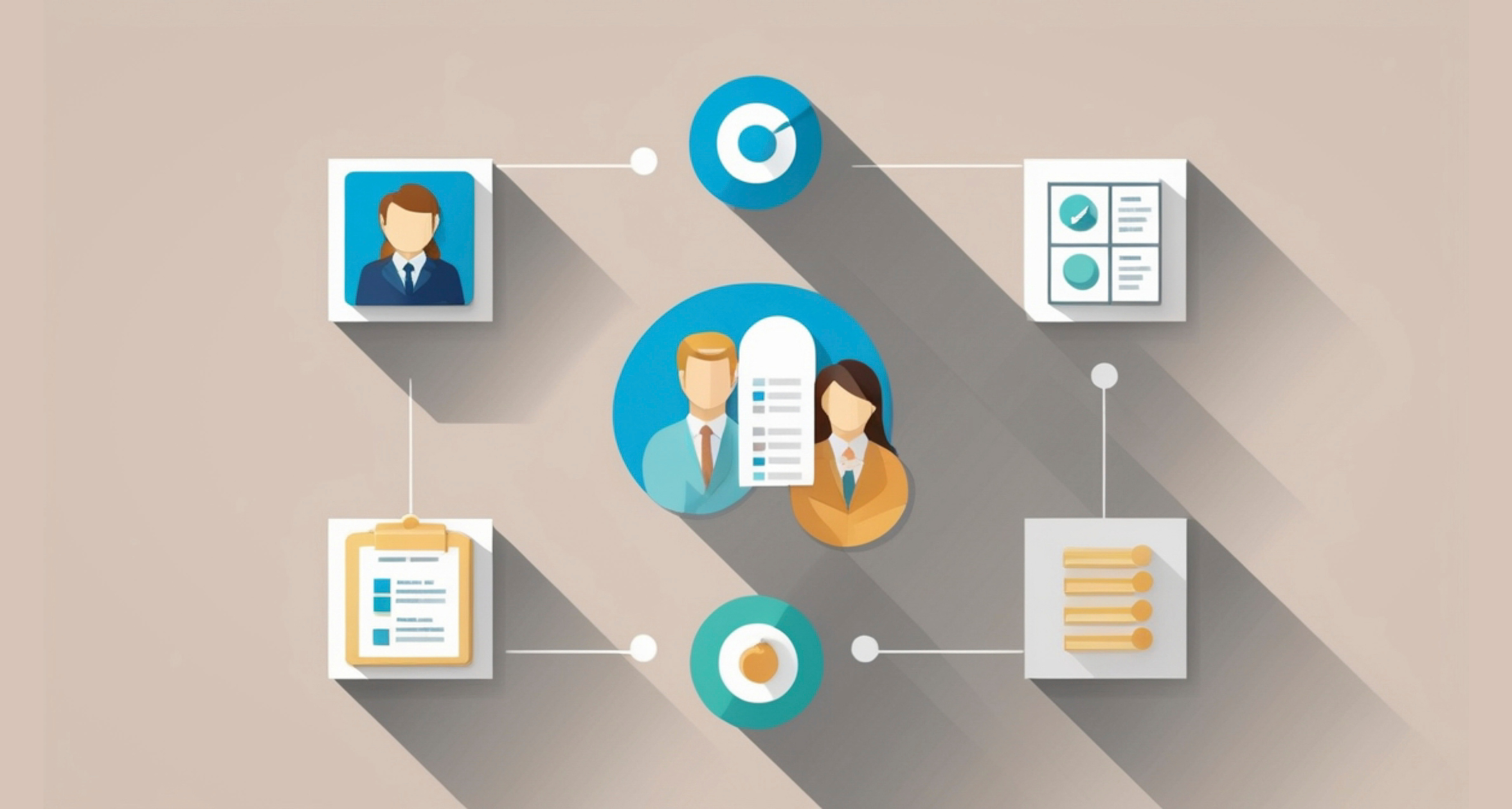
A pipeline is a visual representation of where every lead is in your conversion process, from first contact to booked consultation to closed client. It is not complicated. At its simplest, it is a set of columns, each representing a stage, with every lead sitting in the column that reflects their current status.
The value of the pipeline is not in the tracking itself. It is in what the tracking makes possible. When you can see at a glance that twelve leads are in the "contacted" stage and none have moved to "nurturing" in two weeks, you have information you can act on. Without a pipeline, that pattern is invisible.
"I set up a basic pipeline in Notion and within a week I realised I had seventeen leads I had not followed up with in over a month. I had no idea."
Pipeline stages that make sense for coaching
Keep the stages simple. New lead, meaning the person has just entered your ecosystem. Contacted, meaning you have made the first outreach. Nurturing, meaning you are in active follow-up. Offered, meaning you have explicitly suggested a consultation. Booked, meaning there is a confirmed appointment. Closed, split into won and lost.
Avoid creating too many stages that map to internal process steps rather than the lead's actual status. A pipeline with twelve stages that require constant manual updates is less useful than a pipeline with five stages that you actually maintain.
Using pipeline data to make decisions
Once you have a pipeline running for a few weeks, the data starts telling you things. Leads moving slowly through the nurturing stage might signal a follow-up cadence problem. A high offered-to-booked drop-off might signal a booking friction issue. Most leads entering from one source but few converting might signal a lead quality issue with that channel.
None of this is sophisticated analytics. It is just pattern recognition applied to data you are already generating but could not see before. The pipeline makes what is happening visible, and visible problems are solvable problems.
FREQUENTLY ASKED QUESTIONS
What this article always makes coaches wonder
Should health and wellness coaches use SMS or email for follow-up?
Both, in combination. SMS is significantly more effective for the first follow-up and for time-sensitive messages like appointment reminders, because it has near-universal open rates and reaches people within minutes. Email is better for longer content and lower-urgency nurture sequences. Using only email leaves a large portion of your leads unreached. Using only SMS is intrusive and lacks the depth email allows for relationship building.
What is the open rate difference between SMS and email?
SMS open rates run between ninety-five and ninety-eight percent, with most messages read within three minutes. Email open rates for health coaching businesses typically range between twenty and forty percent, depending on list quality and subject lines. This difference does not mean email is ineffective, but it does mean that for the first follow-up after a lead action, SMS will reach a much higher percentage of your leads, which is why it should be the primary channel for high-intent moments.
Is it weird to text someone who downloaded my lead magnet?
Not when the message is warm, relevant, and tied to what they just did. A text that arrives within minutes of a download saying 'Hey, just sent your guide, let me know if you have questions about it' does not feel intrusive. It feels attentive. People consent to being texted when they provide their number at opt-in. The key is making sure the first message adds value rather than immediately trying to sell something.
What should my first text message to a new lead say?
Something short, warm, and tied directly to what they just did. "Hey [Name], your [resource name] just hit your inbox. Quick question while I have you: what is the main thing you are hoping it helps you with?" works because it confirms delivery, opens a conversation, and signals that you are a real person who is interested in their situation. It does not pitch anything. It just starts a conversation.
How many texts per week is too many?
More than two to three in the first week is pushing into annoying territory unless the conversation is actively two-way. For leads in early stages of your sequence, one SMS every two to three days is about right. For leads in longer nurture, once a week is plenty. The goal is to stay present without training people to ignore you. When in doubt, send less frequently and make each message count more.
How do I combine SMS and email into one follow-up strategy?
Use SMS for the initial touchpoint and appointment reminders, and email for the deeper content and longer nurture messages. The sequence might look like: SMS immediately after opt-in, email with the full resource and introduction the same day, SMS follow-up two days later to check if they had a chance to look at the guide, then email with a related insight two days after that. Alternate the channels based on what each one does best rather than duplicating the same message across both.
Not sure where your leads are in the process at any given moment?
If your pipeline feels murky or you are losing track of who needs follow-up, let's look at how to get real visibility on it.
Keep Reading

Helping health and wellness coaches turn warm attention into paying clients through automated client acquisition systems powered by the Client Flow Framework.
© 2026 Shapei Tragico. All rights reserved.
Client Flow Framework